
How to pump a bike tyre
03 June 2026
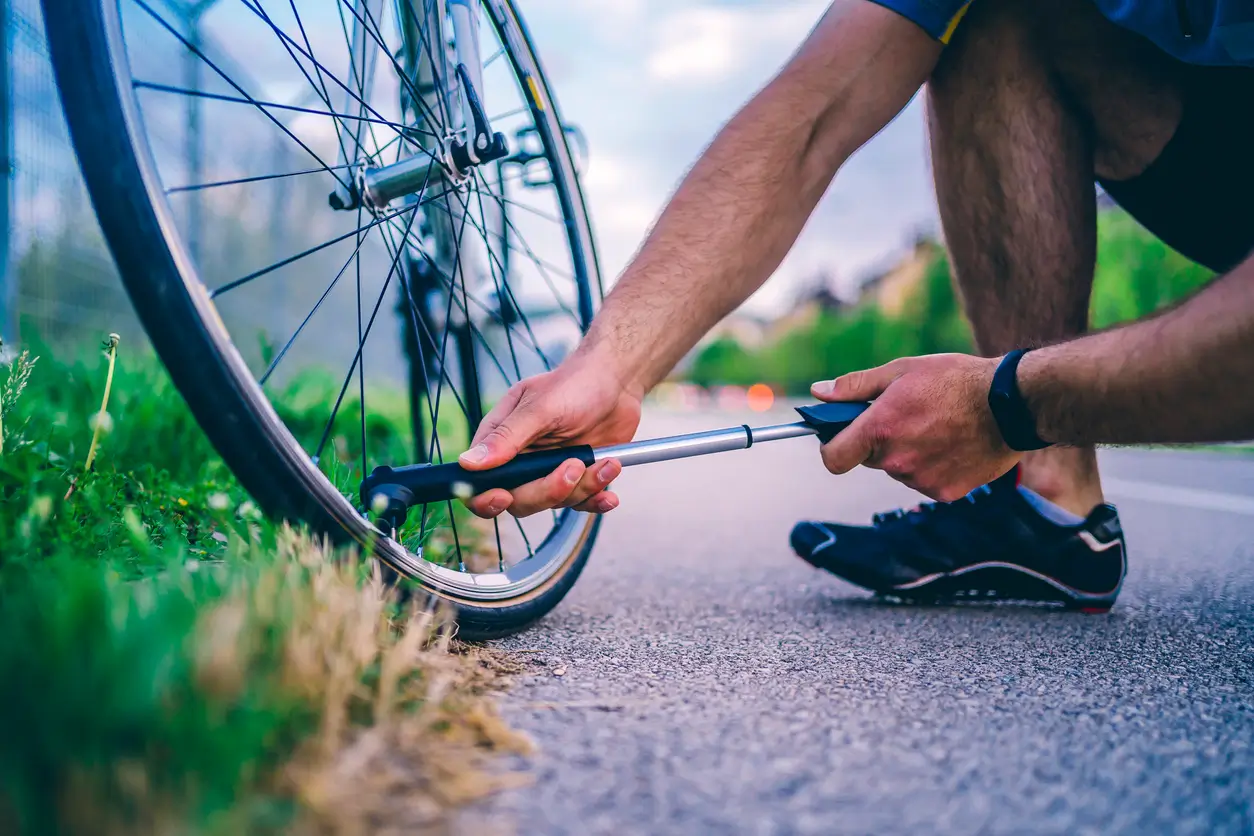
Keeping your bike tyres properly inflated helps to improve your cycling performance, comfort and safety. Whether you ride a road bike, mountain bike, hybrid or e-bike, understanding how to pump a bike tyre correctly can help prevent punctures, improve grip and extend tyre life.
In this guide, we’ll explain everything you need to know about inflating bike tyres, including valve types, recommended PSI levels and common mistakes to avoid.
Why bike tyre pressure is important
Pumping your bike tyres to the right pressure helps to:
- Improve grip and handling
- Reduce the risk of punctures
- Enhance fuel efficiency on e-bikes
- Ensure smoother, more comfortable rides
- Increase tyre lifespan
- Promote cycling safety
Tools you need to pump a bike tyre
There are three main tools you need to pump a bike tyre:
- A floor or hand pump
- A pressure gauge
- A valve adapter (if necessary)
You may also need a repair kit if your tyre has a puncture.
Pumping a bike tyre in five steps
Follow these steps to pump your tyre to perfection:
Step 1: Identify your bike tyre valve type
There are two main types of bike tyre valves to be aware of. A Presta Valve is a thin valve with a locking nut and is commonly found on road bikes. This needs to be unscrewed before you can pump up your tyre. A Schrader Valve, typically found on mountain and hybrid bikes, is wider and similar to a car tyre valve.
Step 2: Check the recommended tyre pressure
Tyre pressure is measured in PSI (pounds per square inch), and you'll be able to find the recommended pressure for your bike on the tyre sidewall. Typically, the recommended tyre pressures for different bike types are:
- Road bike: 80–130 PSI
- Mountain bike: 25–50 PSI
- Hybrid bike: 50–70 PSI
- Electric bike: 40–80 PSI
Discover more about bike tyre pressure.
Step 3: Attach the pump
How you attach the pump to your bike tyres depends on the type of valve they have. For a Presta Valve, remove the valve cap, unscrew the valve tip, and attach the pump head securely. For a Schrader Valve, remove the valve cap and attach the pump.
Common issues to look out for when attaching the pump include air leaking from the valve and the pump not sealing correctly.
Step 4: Inflate the bike tyre to the recommended pressure
When pumping up your bike tyres, avoid overinflating or underinflating by using a pressure gauge for accuracy. The wrong tyre pressure can lead to soft handling, increased rolling resistance, and punctures. Getting this right is vital for an enjoyable ride.
Step 5: Remove the pump and secure the valve
Once your bike tyres have been pumped up to the right pressure, carefully remove the pump head, tighten the Presta Valve where applicable, and replace the valve cap.
Common mistakes to avoid when pumping bike tyres
Avoiding these common mistakes when pumping your bike tyres will help to ensure a safe, comfortable ride.
- Overinflating tyres – This can reduce grip and increase the risk of punctures
- Underinflating tyres – This can cause pinch punctures and rim damage
- Ignoring tyre wear – Older bike tyres may not hold pressure effectively
- Using the wrong pump head – Different valves require different fittings
How often should you pump your bike tyres?
How often you should pump your bike tyres depends on the type of bike you have and how often you ride it. You should pump road bike tyres before most rides, mountain bike tyres should be pumped every few rides, and casual cyclists should check their tyres weekly.
Tyre pressure can drop quickly in cold weather, so be especially mindful during the winter months and check your tyres frequently.
Keep those tyres properly pumped
Understanding how to correctly pump a bike tyre is an essential cycling skill. Correct tyre pressure improves comfort, handling and puncture resistance while helping to keep your bike rides safe and efficient.
Whether you cycle for exercise, commute to work or ride for leisure, regular tyre maintenance is an important part of protecting yourself and your bike.
For more bike maintenance tips, discover how to tighten a bike chain and how to remove bike pedals.
Bike tyre FAQs
How do I know if my bike tyre is fully inflated?
The best way to check whether your bike tyre is fully inflated is to use a pressure gauge and compare the result against the recommended PSI. You should be able to find this on the tyre sidewall.
Can I use a car pump on a bike tyre?
Yes, you can use a car pump on a bike tyre if the tyre uses a Schrader Valve or you have an adapter.
Why does my bike tyre keep losing air?
If your bike tyre keeps losing air, it could be because you have a puncture, the valve is faulty, or your inner tubes have become worn.
What PSI should my bike tyres be?
The recommended PSI for your bike tyres depends on tyre size, rider weight, and bike type. Always check the manufacturer's guidance on the tyre sidewall to avoid over or underinflation.
Can you overinflate a bike tyre?
Yes, you can overinflate a bike tyre. Doing so could reduce grip, create an uncomfortable ride, and increase the risk of a puncture or other tyre damage. Always follow the recommended PSI range printed on the tyre sidewall.
Do bike tyres lose pressure naturally?
Yes, all bike tyres gradually lose air over time, even without a puncture. Road bike tyres typically lose pressure faster than mountain bike tyres, so it's important to check tyre pressure regularly.
Specialist cycling insurance through Cycleplan
Looking after your tyres is just one part of protecting your bike. You may want to consider specialist cycling insurance through Cycleplan, which helps to provide cover if your bike is lost, damaged or stolen. Find out more or get a quote today.
Please note the information provided on this page should not be taken as advice and has been written as a matter of opinion. For more on insurance cover and policy wording, see our homepage.