
UK Parking Costs Ranked: Most Expensive Cities to Park in 2026
25 February 2026
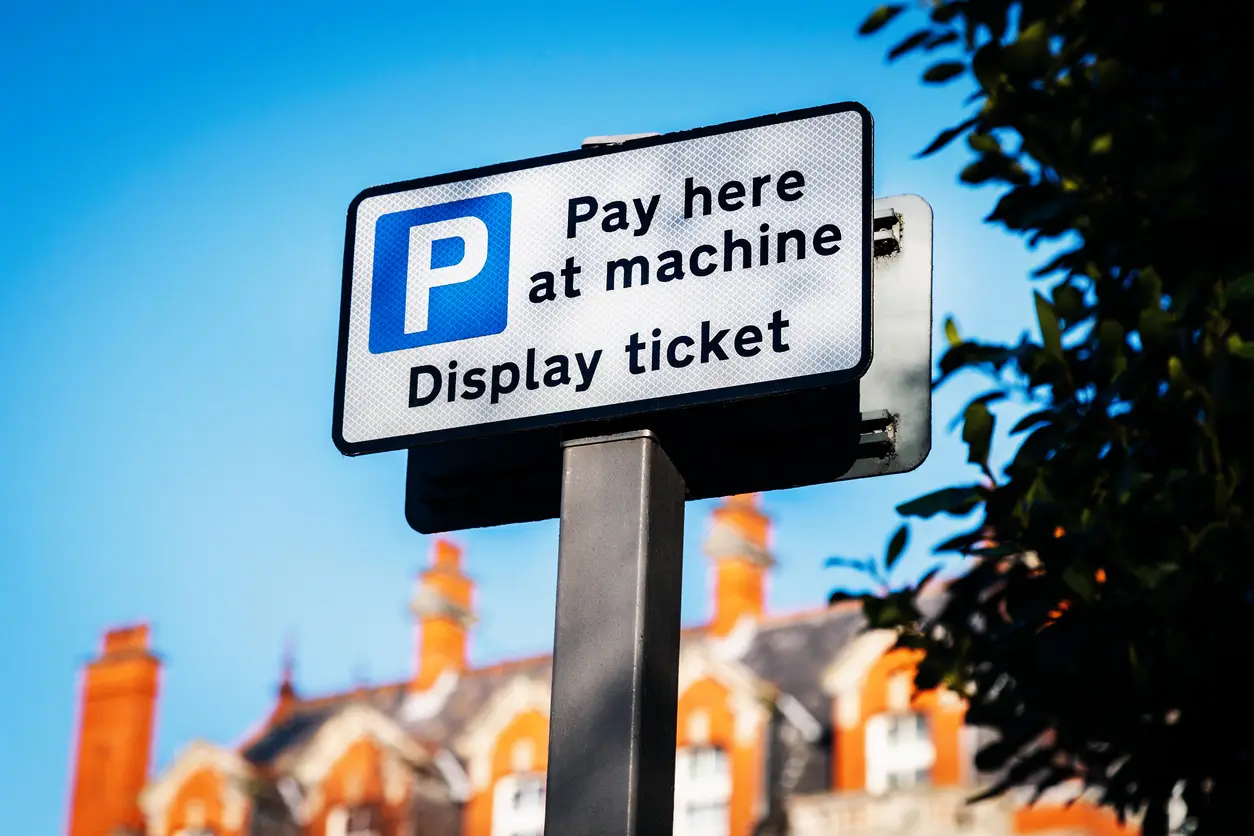
In some UK cities, it now costs thousands of pounds a year just to park your car.
While drivers often focus on fuel prices or insurance premiums, one of the most overlooked car-related costs is parking. From annual resident permits to daily commuter charges and short-stay shopping trips, the cost of simply parking your car can stack up.
At the same time, many city journeys are under five miles - distances that are often quicker, cheaper and less stressful by bike. Cycling eliminates daily parking charges entirely, avoids the scramble for a space, and reduces the cost of urban travel.
To understand just how much drivers are paying (and why alternatives like cycling are becoming increasingly attractive) we analysed parking charges across 30 major UK cities to create the 2026 UK Parking Cost Index.
The results reveal a growing postcode lottery for drivers, and a clear case for parking less and pedalling more.
Key findings
-
Edinburgh is the UK’s most expensive city to park overall
-
Brighton commuters could spend up to £8,050 a year on parking alone
-
London has the highest short stay charge at £10 for two hours
-
Manchester ranks third most expensive in the UK
How we created the UK Parking Cost Index
To build the index, we analysed publicly available parking fee data across 30 major UK cities, covering three key metrics that reflect everyday driving habits:
- Resident permit costs – the maximum annual fee charged to park near your home (or the average of these fees across London boroughs)
- Commuter all-day parking – the highest published all-day rate in a city centre.
- Two-hour short-stay rates – typical charges for a quick shopping or leisure visit.
We calculated an overall score by averaging the three metrics equally. The Top 10 most expensive cities are below.
The Most Expensive Cities to Park in the UK
|
Rank
|
City/Town |
Resident Permit - First Vehicle, Max £/year |
Commuter All-Day |
Shopper 2 Hours |
Parking Cost Index (0-100)
|
|
1 |
Edinburgh
|
£777.90 |
£20 |
£8.40 |
77.8 |
|
2 |
London
|
£452* |
£20 |
£10 |
70.5 |
|
3 |
Manchester
|
£750 |
£21.50 |
£7 |
68.8 |
|
4 |
Brighton & Hove
|
£385 |
£35 |
£6.50 |
63.7 |
|
5
|
Bristol
|
£250 |
£19.60 |
£7 |
49.4 |
|
6
|
Birmingham
|
£329 |
£12.70 |
£7.20 |
46.3 |
|
7
|
Glasgow
|
£595 |
£10 |
£5 |
46.3 |
|
8 |
Newcastle upon Tyne
|
£500 |
£18 |
£1.60 |
37.1 |
|
9 |
Aberdeen
|
£220 |
£20 |
£4 |
36.6 |
|
10 |
Reading
|
£108 |
£14 |
£4 |
25.3 |
*We calculated the £452 average by reviewing each London borough’s published resident permit fees and taking the highest emissions band for a first permit, then averaging those figures across boroughs with publicly available data. However, some boroughs can be much higher based on emissions calculations (e.g. Islington).
Edinburgh - Parking Cost Index: 77.8
Edinburgh tops the national ranking, driven largely by high resident permit fees and strong commuter parking costs. In some areas, residents can pay up to £777.90 per year simply to park near their home.
London - Parking Cost Index: 70.5
Unsurprisingly, London ranks second overall. While resident permits vary widely across boroughs, the capital stands out for having the highest two-hour parking rate in the UK at £10.
That might not sound much at first glance. But if you parked for two hours once per week for a year, you’d spend £520 just on short city visits.
Manchester - Parking Cost Index: 68.8
Manchester ranks third, with strong scores across all three categories. High commuter parking costs mean daily drivers quickly rack up substantial annual totals.
Brighton & Hove - Parking Cost Index: 63.7
Brighton stands out for one particularly eye-watering statistic: its top all-day commuter rate reaches £35 per day.
If someone parked five days a week across a typical 230-working-day year, that would total approximately £8,050 per year.
That’s more than many people spend on a holiday - simply to leave their car somewhere while at work.
Bristol - Parking Cost Index: 49.4
Bristol rounds out the top five, with relatively high short-stay and commuter charges contributing to its overall score.
The Annual Cost of Commuter Parking

Daily parking charges can feel manageable in isolation. But multiplied across an entire working year, the numbers tell a different story.
Here’s how approximate commuter parking costs stack up in some of the highest-cost cities (based on 230 working days):
- Brighton & Hove - £8,050 per year
- Manchester - £4,945 per year
- Edinburgh - £4,600 per year
- London - £4,600 per year
Of course, these figures do not include costs such as fuel, congestion charges, vehicle maintenance, insurance and depreciation of car value. Parking alone, in some UK cities, could rival or even exceed annual public transport season tickets.
Short-Stay Parking Costs
Short city visits are often seen as minor expenses. But even two-hour parking charges add up.
London’s £10 two-hour rate means:
- Weekly visits = £520 per year
- Fortnightly visits = £260 per year
Other cities also show huge costs for short-stay parking, particularly in popular coastal or tourist areas. For families who regularly drive into city centres for shopping, dining or leisure, these costs become part of their routine spending, often without much thought.
The Cheapest Cities to Park in the UK
At the other end of the ranking are major UK cities where parking remains relatively affordable.
|
Rank |
City/Town |
Resident Permit - First Vehicle Max £/year |
Commuter All-Day |
Shopper 2 Hours |
Parking Cost Index (0-100)
|
|
30
|
Swansea |
£0 |
£5 |
£2 |
3.2 |
|
29 |
Plymouth
|
£48.50 |
£5 |
£2 |
5.3 |
|
28 |
Wolverhampton
|
£20 |
£3.50 |
£3 |
6.4 |
|
27 |
Stoke-on-Trent
|
£38.50 |
£5 |
£2.70 |
7.6 |
|
26 |
Derby
|
£35 |
£7.20 |
£2.40 |
9.3 |
Swansea – Parking Cost Index: 3.2
Swansea ranks as the most affordable city in the study, with low parking charges across all three categories. Resident permits are free, and commuter and short-stay rates remain among the lowest recorded.
For drivers in Swansea, parking is far less likely to become a major annual expense compared to other UK cities.
Plymouth – Parking Cost Index: 5.3
Plymouth is the second cheapest city in the index, benefiting from relatively modest all-day and two-hour parking charges.
While costs still add up over time, drivers here face significantly less financial pressure than those in higher-ranked cities.
Wolverhampton – Parking Cost Index: 6.4
Wolverhampton ranks third from the bottom, with low commuter parking rates helping to keep its overall score down.
For regular drivers, annual parking costs remain comparatively manageable when stacked against larger metropolitan areas.
Stoke-on-Trent – Parking Cost Index: 7.6
Stoke-on-Trent places fourth cheapest overall, with affordable daily parking rates contributing to its low index score.
Although parking isn’t free, it represents a far smaller proportion of annual transport spending than in the UK’s most expensive cities.
Derby – Parking Cost Index: 9.3
Derby rounds out the five most affordable cities in the Parking Cost Index. Moderate short-stay and commuter charges keep it well below the national high-cost hotspots.
For residents and commuters alike, Derby remains one of the more budget-friendly places in the UK when it comes to parking.
Why cycling is a cheaper option
With parking charges rising across many major cities, alternatives to driving are becoming more financially attractive. Cycling, in particular, removes the daily uncertainty and expense of finding a parking space.
Replacing just part of your weekly driving routine with cycling could:
- Eliminate commuter parking costs on certain days
- Remove short-stay city parking fees entirely
- Reduce fuel usage
- Lower vehicle wear and tear
For example, a Brighton commuter replacing just two driving days per week with cycling could save approximately £3,220 per year (£35 x 2 days x 46 weeks).
Summary
As cities continue prioritising active travel and reducing congestion, parking supply is unlikely to expand significantly in many urban centres. That means price pressure may continue.
For drivers, understanding these costs is essential when budgeting transport expenses - particularly when relocating, changing jobs or reassessing commuting habits.
Parking may once have been an afterthought. But in 2026, it’s one of the most significant hidden costs of city driving. And for many urban journeys, the cheapest space to leave your vehicle may simply be at home.
Methodology
To rank the UK’s most and least expensive cities for drivers, we created a Parking Cost Index comparing the everyday cost of parking across major urban areas. The study looks at three common scenarios: resident parking permits, all-day commuter parking, and the cost of two hours of city-centre parking for shoppers or visitors. Pricing data was sourced from official council websites, published tariff tables and publicly available parking operator rates.
Each city was scored across the three categories and combined into a 0–100 index, allowing direct comparisons between locations. London was analysed separately at borough level due to significant local pricing differences across the capital. All data reflects typical central parking costs and was correct as of February 2026.
Specialist cycling insurance through Cycleplan
If you do choose to cycle, you may want to consider specialist cycling insurance to protect you from issues like accidental damage and theft. Cycleplan offers a build-your-own policy model, meaning you only pay for the cover you need. You can get a quote within a few minutes.
Please note the information provided on this page should not be taken as advice and has been written as a matter of opinion. For more on insurance cover and policy wording, see our homepage.