
A complete guide to autumn cycling
18 September 2025

Autumn is a great time of year to head out on your bike for many reasons, but this naturally beautiful season does also come with various risks that cyclists need to be aware of.
In this complete guide to autumn cycling, we’ll look at why autumn is perfect for bike rides, what you should wear when cycling in autumn, how to stay safe, and the seasonal hazards to look out for while on the road.
Why cycle in autumn?
While cycling in summer is popular thanks to its warm temperatures, sunshine, and longer days, cycling in autumn also offers plenty of benefits.
Beautiful scenery
The rich changing colours of autumn make it undeniably one of the most beautiful times of year, and getting out on your bike offers a great way to experience this. You’ll also find that the roads are much calmer, especially in the countryside, and you may even be able to spot wildlife, like squirrels and rabbits, out enjoying the peace and quiet.
Health benefits
Exercise is so important for health and wellbeing, and cycling offers plenty of benefits that can help boost your fitness levels. Cycling is great for cardiovascular health, which strengthens the heart and lungs, and it can also help to build your immune system, which is ideal in the run-up to the cough and cold season!
Getting outside while the autumn sun is shining will give you exposure to vitamin D, too, which is especially important before the darkness of winter sets in.
Mood boost
The mental health benefits of cycling are well documented, but being outside amongst the autumn colours and fresh air, in particular, can boost your mood and keep you happy despite summer being a thing of the past.
Autumn cycling provides the perfect opportunity to practice mindfulness and clear your mind of anything that may have been causing stress or anxiety.
Low cost and convenient
Cycling in autumn offers a low-cost, convenient way to commute, especially during school runs when the roads can feel busy after the summer break. Cycling gives you the chance to save money on petrol, bus tickets, and train fares while doing your bit for the environment at the same time.
What to wear when cycling in autumn
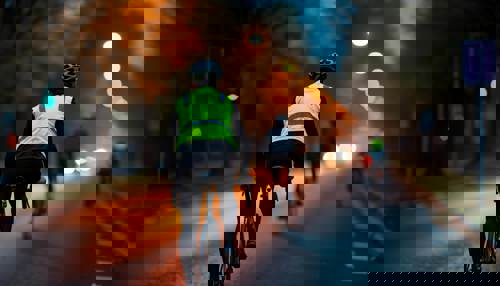
When cycling in autumn, the weather can be unpredictable and changeable, ranging from crisp, dry mornings to torrential downpours and biting winds. So, wearing the right clothing is important to ensure you stay comfortable, warm, and dry while cycling without overheating.
- Jersey: A long-sleeved thermal cycling jersey is perfect for autumnal bike rides. This can be worn over a base layer when the temperature drops
- Jacket: The perfect cycling jacket for autumn is windproof, water-resistant, and breathable. You should avoid wearing a winter coat as it’s likely you’ll get too hot, so opt for a jacket with reflective detailing, a high collar for wind protection, and taped seams for waterproofing instead
- Gloves: For autumn, choose cycling gloves that are windproof, breathable, and offer light insulation. Avoid thick gloves that can make it difficult to brake and change gear
- Leggings: Fleece-lined leggings help keep your knees and thighs warm, which can make bike rides more comfortable on cold days. You could also opt for water-resistant options if you’re cycling in the rain
- Footwear: Wear merino socks, which provide warmth and moisture control with shoes that will also keep your feet warm and dry. Check that your shoes don’t have any holes or other damage that could let the cold or rain in, too
- Accessories: Other bits and bobs you might like to consider for your autumn bike rides include a lightweight snood, which will help to keep the wind off your neck, and a cycling cap. These can fit nicely underneath your helmet to provide additional insulation
Staying safe when cycling in autumn
To stay safe while cycling in autumn, you’ll need to consider the shorter daylight hours, wet and slippery roads, fallen leaves, and changeable weather conditions. Here are some things you can do to stay safe:
Lights
When cycling, you should have:
- A front light: white, constant, or flashing (minimum 100 lumens recommended)
- A rear light: red, constant, or flashing (minimum 50 lumens)
- Reflectors: a red rear reflector, amber pedal reflectors, and reflective sidewall, spoke reflectors or reflective tape
You can’t have too many lights or reflectors, so ensure you have enough to make you feel safe and seen while cycling in autumn. You should even use lights in the daytime, especially on dull or foggy days.
Other options include rechargeable USB lights, which are convenient and eco-friendly, a helmet or handlebar-mounted front light for better visibility on dark roads, and backup lights, especially for longer rides.
Helmet
Of course, you should always wear a helmet while out cycling, but this becomes even more critical in autumn when the conditions are less favourable. Choose a certified helmet that fits snugly, feels comfortable, and sits level on your head without tilting backwards. The straps should form a V just below each ear. It’s also a good idea to add a rear reflective sticker or go for a helmet with built-in LED lights for extra visibility.
Clothing and accessories
There are all sorts of reflective cycling clothes and accessories to choose from, including jacket accents, ankle straps, gloves, and helmet stickers. You could even wear a hi-vis vest over your jersey or jacket for ultimate visibility.
Things to look out for when cycling in autumn
Cycling in autumn comes with season-specific hazards that can catch riders off guard if they’re unprepared. Some of the main things to look out for during autumn bike rides include:
Wet roads
Rain makes road surfaces slippery, especially after dry spells. When cycling on wet roads, use longer braking distances and reduce your speed when riding over painted road markings, metal drain covers, and wooden bridges, which are all particularly slick when wet. Fitting mudguards to reduce spray and visibility issues is a good idea here, too.
Poor visibility
Dull, cloudy days and shorter daylight hours reduce visibility for both cyclists and drivers. To stay safe, ensure you always use front and rear lights, even during the day, and wear reflective and hi-vis clothing or accessories. Make eye contact with drivers at junctions whenever possible so you can be confident that they know you’re there.
Fallen leaves
Wet leaves are extremely slippery and can be particularly hazardous on corners, cycle paths, and near curbs. Ride slowly and upright over leafy patches, even if they don’t look slippery, and avoid braking or turning sharply on them. Also, be sure to watch out for concealed hazards underneath, like potholes.
Early frost
Frost and black ice can form overnight, particularly on rural roads, shady lanes, or bridges. Avoid riding too early in the morning if possible, as this is when frost is most common, and stick to main roads, which are more likely to have been gritted. Use tyres with excellent grip or even winter-specific tyres if you’re out riding regularly.
Muddy conditions
Mud can clog components and reduce traction, especially on bridleways or country lanes near farms, where mud is more common. Choose wider tyres with tread for better grip, and clean your drivetrain and brakes after muddy rides to prevent wear. Watch out for mud-covered potholes on single-track lanes, too, as these can seemingly come out of nowhere.
Wind gusts
Sudden wind gusts can push you off course and make you feel unsteady, especially near open fields and between buildings. Keep a firm grip on your handlebars and be especially careful when passing gaps in hedgerows or large vehicles. It also helps to use a more stable riding position and lower your profile in headwinds.
Important bike checks to make in autumn
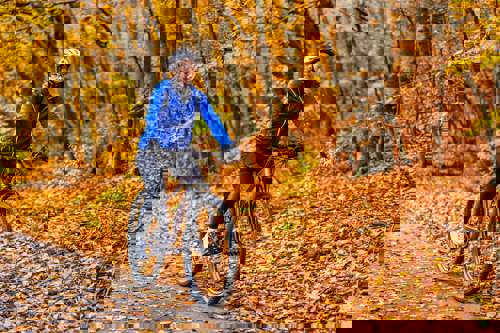
Making regular bike checks in autumn is essential for your safety. Check the following to stay safe on the road:
Tyre pressure
Lower your tyre pressure slightly, keeping within a safe range, as this will provide better grip on wet, slippery roads. You should also regularly check your tyres for cracks, wear, embedded thorns or sharp stones, and sidewall damage. Wider tyres can provide more control, and there are also puncture-resistant tyres that may give you more confidence.
Brakes
Regularly check your brake pads for wear, as grit and wet roads can have a negative impact. Your bike’s brakes should feel firm and not spongy. It’s also important to brake early and gently in wet conditions due to the increased stopping distances.
Mudguards
Adding mudguards to your bike in autumn will help to keep you dry and protect the drivetrain from potentially damaging spray. Ensure that both front and rear mudguards are securely mounted, there’s enough tyre clearance to avoid rubbing, and there are no cracks or loose bolts.
Extra tips for cycling in autumn
- Always carry a phone that’s fully charged and protected in a waterproof pouch. A portable charger can also be a sensible idea, especially if you’re going out for a longer ride
- Pack your ID and emergency contact information somewhere they can be found easily should you be involved in an accident
- Carry spare lights, tools, and tubes
- Where possible, plan your autumn rides for the middle of the day when it's brightest and warmest, rather than super early in the morning or at night
- Check the weather forecast and be sure to avoid high winds, heavy rain, or fog
- Make sure you let someone know your route if you're heading out solo
Specialist cycling insurance through Cycleplan
Autumn is a great time to get out there on your bike, but trickier conditions can come with the increased risk of accidents. That’s why you may want to consider getting specialist cycling insurance.
You can get cover for a wide range of bikes through Cycleplan, including road, mountain, electric, and more. Get a quote online today to see how Cycleplan could help your autumnal adventures.
Please note the information provided on this page should not be taken as advice and has been written as a matter of opinion. For more on insurance cover and policy wording, see our homepage.